Russia faces pressure on Ivory coast
By Tom Burgis in Abuja and Catherine Belton in Moscow
http://www.ft.com/cms/s/0/1e1862f2-1f3c-11e0-8c1c-00144feab49a.html#axzz1Bcryi1Hr
Published: January 13 2011 20:27 | Last updated: January 13 2011 20:27
West African states plan to send a high-level mission to Moscow in an effort to overcome Russian resistance to tougher action against Laurent Gbagbo, whose refusal to accept defeat in Ivory Coast’s presidential election has brought his country to the brink of war.
Delegations would also visit Beijing and western capitals, diplomats and regional officials said. The missions are a concerted push to win international backing for the threat of military intervention to remove Mr Gbagbo, who lost last November’s presidential run-off election to Alassane Ouattara, according to results certified by the UN.
Please respect FT.com's ts&cs and copyright policy which allow you to: share links; copy content for personal use; & redistribute limited extracts. Email ftsales.support@ft.com to buy additional rights or use this link to reference the article - http://www.ft.com/cms/s/0/1e1862f2-1f3c-11e0-8c1c-00144feab49a.html#ixzz1BhNGQDdU
Russia, whose oil interests off the Ivorian coast give it a foothold in one of the world’s most promising energy frontiers, has opposed efforts to intervene in the Ivorian crisis, diplomats said. While western powers have imposed sanctions on Mr Gbagbo and his entourage, Russia led objections to such moves in the UN Security Council, where it holds a veto.
Concerned about implications for its own restive regions, such as Chechnya, Russia has traditionally sought to thwart Security Council actions regarding nations’ sovereignty. But one western diplomat said Russian considerations over Ivory Coast were “90 per cent about oil, 10 per cent about sovereignty”.
Lukoil, Russia’s second biggest oil producer, has stakes in three deep-water blocks off the Ivorian coast, part of a largely untapped 1,000km oil frontier.
Lukoil acquired its interests during Mr Gbagbo’s rule and changes of power in Africa have often been followed by reviews of oil and mineral rights.
Ecowas, the regional bloc, has raised the prospect of “legitimate force” to remove Mr Gbagbo. But there are doubts as to whether the region has sufficient military firepower.
Diplomats said that the threat of military force – especially if endorsed by the UN – could nevertheless prove critical in unseating Mr Gbagbo.
No one at the Russian foreign ministry was available to comment. A Lukoil spokesman conceded the situation was “difficult” but said: “We are not engaged in politics and we hope things will normalise.”
He also said that if tougher sanctions were enforced, Lukoil would abide by them, as it had in Iraq, where development of its west Qurna field was delayed, and Iran, where it stopped work on an onshore project last year.
Copyright The Financial Times Limited 2011.

About Me
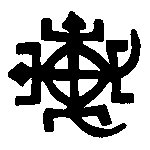
- Crossed Crocodiles
- In Akan symbolism there is a design of crossed crocodiles, two joined crocodiles that share the same stomach. You can find the description at the Akan Cultural Symbols Project by scrolling down the page of Akan Political Beliefs. I have always been particularly fond of this as a symbol for the competing interests of constituents in a democracy. FUNTUMFUNAFU DENKYEM FUNAFU - JOINED CROCODILES Symbol of UNITY IN DIVERSITY, DEMOCRACY, and UNITY OF PURPOSE The symbol is also referred to as odenkyem mmemu - Siamese twin crocodiles joined at the stomach. From the proverb: Funtumfunafu, denkyemmfunafu, won afuru bomu nso wodidi a na worefom efiri se aduane ne de ye di no mene twitwi mu. Literal translation: Two headed crocodiles fight over food that goes to a common stomach because each relishes the food in its throat. This symbol, in essence, depicts the Akan notions about the inherent difficulties of reconciling individual and group interests in a democratic system. (You can reach me at crossedcrocodiles [the usual at] gmail [dot] com.